Where Small And Large Intestine Connect / Congenital Malformations Of The Gastrointestinal Tract. The intestines include the small intestine, large. The small intestine is a tube that is connected to the large intestine on one end and the stomach on the other end. It coils within the abdominal cavity and terminates at the lower right region of the abdomen where it joins the cecum of the large intestine. The video includes gross anatomy of small intestine, large intestine, their parts and comparison. It frames the small intestine on three sides.
Our researchers discovered the gene that connects a certain type of colon cancer to the ashkenazi jewish population, and we are active in understanding the genetic underpinnings. Where they connect is called the ileocecal junction because the last part of small intestine called illum is connected to part of large intestine or colon called cecum. The small intestine and large intestine are connected. The jejunum lies between the duodenum and the ileum. The functions of the small intestine are absorption and protection.
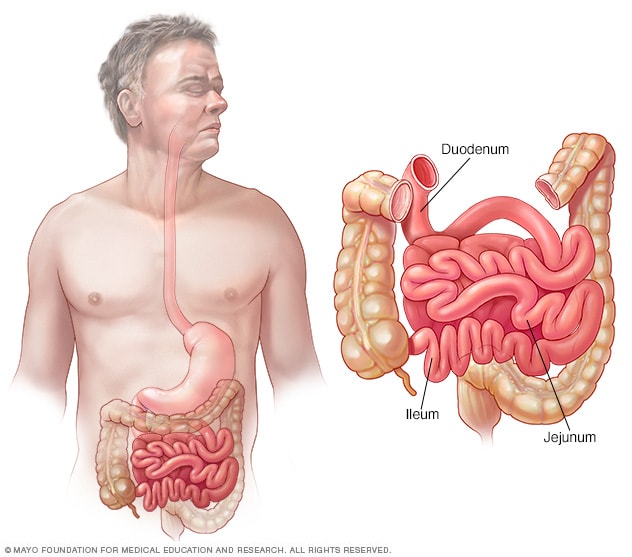
Small Bowel Cancer Symptoms And Causes Mayo Clinic from www.mayoclinic.org On its distal (far) end, the ileum—the last segment of the small intestine—connects to the large intestine (colon). Our researchers discovered the gene that connects a certain type of colon cancer to the ashkenazi jewish population, and we are active in understanding the genetic underpinnings. The small intestine or small bowel is an organ in the gastrointestinal tract where most of the absorption of nutrients and minerals from food takes place. The jejunum lies between the duodenum and the ileum. The small intestine also referred to as small bowel, is an organ in the gastrointestinal tract where … The small intestine and large intestine are connected. The small intestine is a tube that is connected to the large intestine on one end and the stomach on the other end. The large intestine runs from the appendix to the anus.
The colon is also called the large intestine.
The intestines are a long, continuous tube running from the stomach to the anus. The rest of the colon is. On its distal (far) end, the ileum—the last segment of the small intestine—connects to the large intestine (colon). The small intestine extends from the pyloric sphincter to the ileocecal valve, where it empties into the large intestine.the small intestine finishes the process of digestion, absorbs the nutrients, and passes the residue on to the large intestine.the small intestine is divided into the duodenum, jejunum, and ileum. The small intestine also referred to as small bowel, is an organ in the gastrointestinal tract where … On its proximal (near) end, the small intestine—beginning with the duodenum—connects to the stomach. The large intestine, or colon, is responsible for processing waste so that emptying the bowels is easy and convenient. Most absorption of nutrients and water happen in the intestines. The jejunum lies between the duodenum and the ileum. Where small and large intestine connect. It starts from where the ileum ends, ascends upwards and passes across the top of. The video includes gross anatomy of small intestine, large intestine, their parts and comparison. The small intestine and large intestine are connected.
The first part of the small intestine, the duodenum, starts where the stomach ends which is approximately in the upper middle region of the abdomen. Where they connect is called the ileocecal junction because the last part of small intestine called illum is connected to part of large intestine or colon called cecum. The small intestine also referred to as small bowel, is an organ in the gastrointestinal tract where … The small intestine is a tube that is connected to the large intestine on one end and the stomach on the other end. The small intestine extends from the pyloric sphincter to the ileocecal valve, where it empties into the large intestine.the small intestine finishes the process of digestion, absorbs the nutrients, and passes the residue on to the large intestine.the small intestine is divided into the duodenum, jejunum, and ileum.
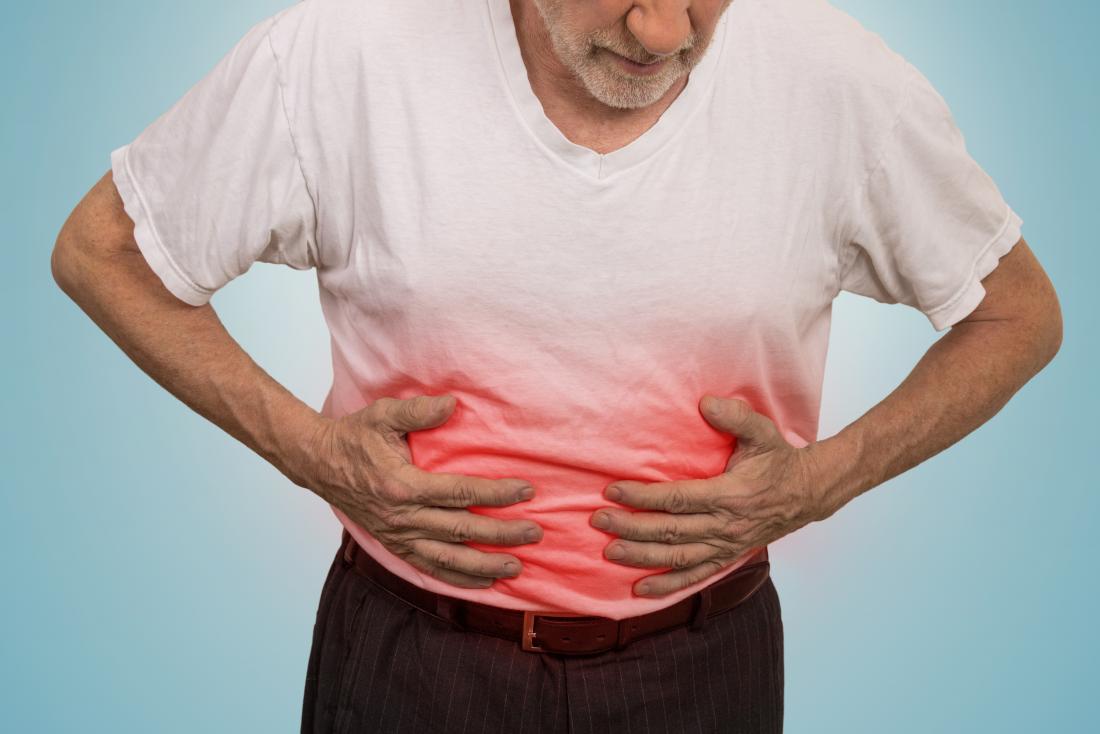
Volvulus Definition Causes And Treatment from cdn-prod.medicalnewstoday.com The video includes gross anatomy of small intestine, large intestine, their parts and comparison. The functions of the small intestine are absorption and protection. In humans, the large intestine begins in the right iliac regionof the pelvis, just at or below the waist, where it is joined to the end of the small intestineat the cecum, via the ileocecal valve. The anatomy of the three segments of the small intestine includes: The intestines are a long, continuous tube running from the stomach to the anus. It frames the small intestine on three sides. Most absorption of nutrients and water happen in the intestines. Where small and large intestine connect.
The functions of the small intestine are absorption and protection.
The small intestine also referred to as small bowel, is an organ in the gastrointestinal tract where … The large intestine runs from the appendix to the anus. It begins at the ileocecal junction, where the ileum enters the large intestine, and ends at the anus. The ileum (last part of the small intestine) connects to the cecum (first part of the colon) in the lower right abdomen. The area where they connect is around the appendix in the lower right portion of the abdomen. It frames the small intestine on three sides. The rest of the colon is. The functions of the small intestine are absorption and protection. The intestine is a muscular tube which extends from the lower end of your stomach to your anus, the lower opening of the digestive tract. Most absorption of nutrients and water happen in the intestines. Where small and large intestine connect. In humans, the large intestine begins in the right iliac regionof the pelvis, just at or below the waist, where it is joined to the end of the small intestineat the cecum, via the ileocecal valve. The large intestine runs from the appendix to the anus.
The small intestine extends from the pyloric sphincter to the ileocecal valve, where it empties into the large intestine.the small intestine finishes the process of digestion, absorbs the nutrients, and passes the residue on to the large intestine.the small intestine is divided into the duodenum, jejunum, and ileum. With the separation of these fence posts (intestinal cells) from one another,a significant aspect of the protective barrier of the intestine is lost. It begins at the ileocecal junction, where the ileum enters the large intestine, and ends at the anus. It coils within the abdominal cavity and terminates at the lower right region of the abdomen where it joins the cecum of the large intestine. The intestine is a muscular tube which extends from the lower end of your stomach to your anus, the lower opening of the digestive tract.
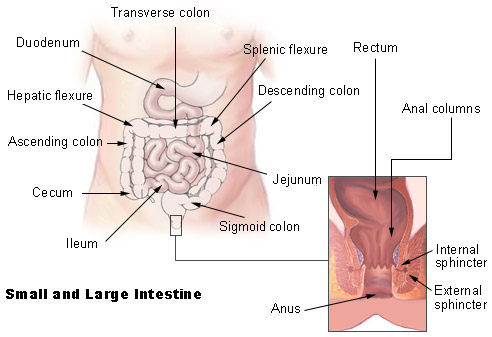
Seer Training Small Large Intestine from training.seer.cancer.gov The area where they connect is around the appendix in the lower right portion of the abdomen. The colon is also called the large intestine. It frames the small intestine on three sides. The large intestine runs from the appendix to the anus. Large intestine the large intestine is larger in diameter than the small intestine. The jejunum lies between the duodenum and the ileum. The intestine is also where most water is absorbed, via osmosis. It is also called the bowel or bowels.
Food and the products of digestion pass through the intestine, which is divided into two sections called the small intestine and the large intestine.
It starts from where the ileum ends, ascends upwards and passes across the top of. The intestines are a long, continuous tube running from the stomach to the anus. The intestine is a muscular tube which extends from the lower end of your stomach to your anus, the lower opening of the digestive tract. With the separation of these fence posts (intestinal cells) from one another,a significant aspect of the protective barrier of the intestine is lost. Most absorption of nutrients and water happen in the intestines. The functions of the small intestine are absorption and protection. The intestine is also where most water is absorbed, via osmosis. Food and the products of digestion pass through the intestine, which is divided into two sections called the small intestine and the large intestine. The intestines are a long, continuous tube running from the stomach to the anus. The small intestine is a tube that is connected to the large intestine on one end and the stomach on the other end. The small intestine and large intestine are connected. Diseases of the small and large bowel are linked to family history and the connection between these elements has been the result of years of research at johns hopkins. It frames the small intestine on three sides.